Free Installation Video Guide
Check out our Youtube video on how to install self-adhesive window film

Static cling window film is a removable, non-adhesive film that can add privacy, decoration, shade, or sun control to compatible glass surfaces. Instead of glue, it uses static adhesion to remain attached to clean, smooth glass.
Because it can usually be removed and repositioned more easily than adhesive film, static cling window film is a practical option for renters, temporary applications, seasonal designs, and anyone who prefers a less permanent installation.
Static cling film is designed to adhere directly to smooth glass without a traditional adhesive layer. It is installed using a soapy-water solution that allows the film to be positioned before excess water and air are removed with a squeegee.
Static cling films are available in several styles, including:
Frosted films for added privacy
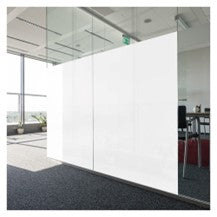
Blackout films for complete view blocking
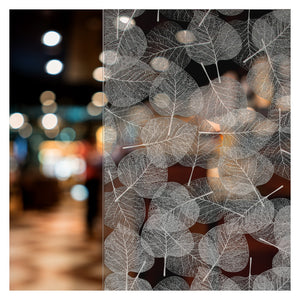
Decorative patterns for visual interest
Tinted films for shade and glare control
Clear or lightly tinted films for specialized applications
Browse static cling window film to compare available privacy, decorative, and sun-control options.
Static cling film attaches without a permanent adhesive. This can make removal simpler and may reduce the amount of adhesive residue left on the glass.
The glass should still be cleaned thoroughly before installation because dust, grease, paint, sealant, and other surface contaminants can interfere with adhesion.
Many static cling films can be removed and repositioned during installation. This makes them more forgiving for first-time installers and useful for applications that may change over time.
Carefully removed film may sometimes be reused if it remains undamaged and the application surface is suitable. Reusability is not guaranteed, so follow the instructions provided with the specific film.
Because static cling film is not installed with a permanent adhesive, it is often a convenient choice for apartments, rental properties, temporary offices, seasonal displays, and other spaces where permanent alterations may not be desirable.
Renters should still review their lease requirements before applying any material to windows.
Static cling does not describe one specific appearance or privacy level. Depending on the product, it can provide a frosted finish, decorative pattern, dark tint, or opaque coverage.
For a removable etched-glass appearance, consider frosted window film. For complete view blocking, compare blackout and whiteout window films.
The selection of static cling films may be more limited than the range of adhesive films. Certain performance levels, finishes, colors, and specialized applications may only be available with adhesive products.
Static cling film works best on clean, smooth, non-textured glass. Dirt around the edges, remaining installation solution, damaged film, or an unsuitable surface may prevent it from staying flat.
Careful glass preparation and accurate trimming are important for a clean installation.
A dark, frosted, or opaque appearance does not automatically mean that a film provides strong solar heat rejection. Review the specifications of the individual product rather than selecting it based only on appearance.
If reducing solar heat is your main goal, compare films in the heat-control window film collection.
Some tinted or reflective films provide daytime privacy only when the exterior is brighter than the interior. At night, interior lighting can reduce or reverse their privacy effect.
Frosted, patterned, blackout, and whiteout films provide different degrees of privacy. Read our guide to daytime versus 24-hour privacy window film before choosing a film.
Frosted static cling film can obscure direct views while allowing diffused light to enter. It can be used on suitable bathroom windows and glass panels, but it should not be treated as a replacement for required safety glazing.
Static cling film is useful when additional privacy or decoration is needed without committing to an adhesive installation. Always confirm that the film is compatible with the glass and permitted by the property owner.
Frosted or patterned cling film can add privacy to glass entry doors and narrow sidelights while preserving some natural light.
Decorative or frosted static cling film can reduce visibility through interior glass partitions, conference-room panels, and office doors.
Blackout static cling film can block views and substantially reduce incoming light. It may be suitable for bedrooms, nurseries, media rooms, and other areas where opaque coverage is preferred.
Removable decorative film can be used to update windows for holidays, events, retail displays, or temporary design changes.
For the best result:
Confirm that the film is compatible with your glass.
Clean the glass thoroughly and remove dust, grease, and residue.
Measure the glass and cut the film slightly larger than needed.
Apply the recommended soapy-water solution to the glass.
Remove the protective backing liner, if included.
Position the film on the wet glass.
Squeegee water and air from the center toward the edges.
Trim the film carefully, leaving the clearance recommended in the instructions.
Complete a final squeegee pass and allow the film to dry.
Follow the complete window-film installation guide and the instructions supplied with your particular product.
Start by identifying your primary goal:
Choose frosted or patterned film for privacy with filtered light.
Choose blackout or whiteout film for opaque, 24-hour view blocking.
Choose tinted film when shade or glare reduction is the priority.
Choose decorative film when appearance is more important than maximum privacy.
Choose a heat-control product with published solar-performance specifications when reducing solar heat is the main objective.
Also confirm whether the film is approved for your type of glass. Dual-pane, Low-E, laminated, wired, textured, and specialty glass may require additional compatibility review.
Static cling film is designed to attach without a traditional adhesive. It relies on static adhesion and proper contact with a clean, smooth glass surface.
Yes. Static cling film is generally designed to be removable. Remove it carefully from one corner to reduce the chance of stretching or damaging the material.
Some films may be reusable if they are removed without damage and stored properly, but results vary by product and condition. Do not assume that every static cling film can be reused.
It depends on the film. Reflective or tinted films may not maintain privacy when the interior is brighter than the exterior. Frosted, blackout, whiteout, and other opaque films offer more consistent privacy, although their light transmission and view-blocking levels differ.
Some static cling products are designed for sun control, but static cling itself does not guarantee heat reduction. Check the film’s solar-performance specifications and glass-compatibility guidance before purchasing.
Static cling window film can be a convenient choice when you want a removable solution for privacy, decoration, shade, or view blocking. Compare the appearance, privacy level, light transmission, performance specifications, and glass compatibility of each product before making your selection.
{"one"=>"Select 2 or 3 items to compare", "other"=>"{{ count }} of 3 items selected"}